

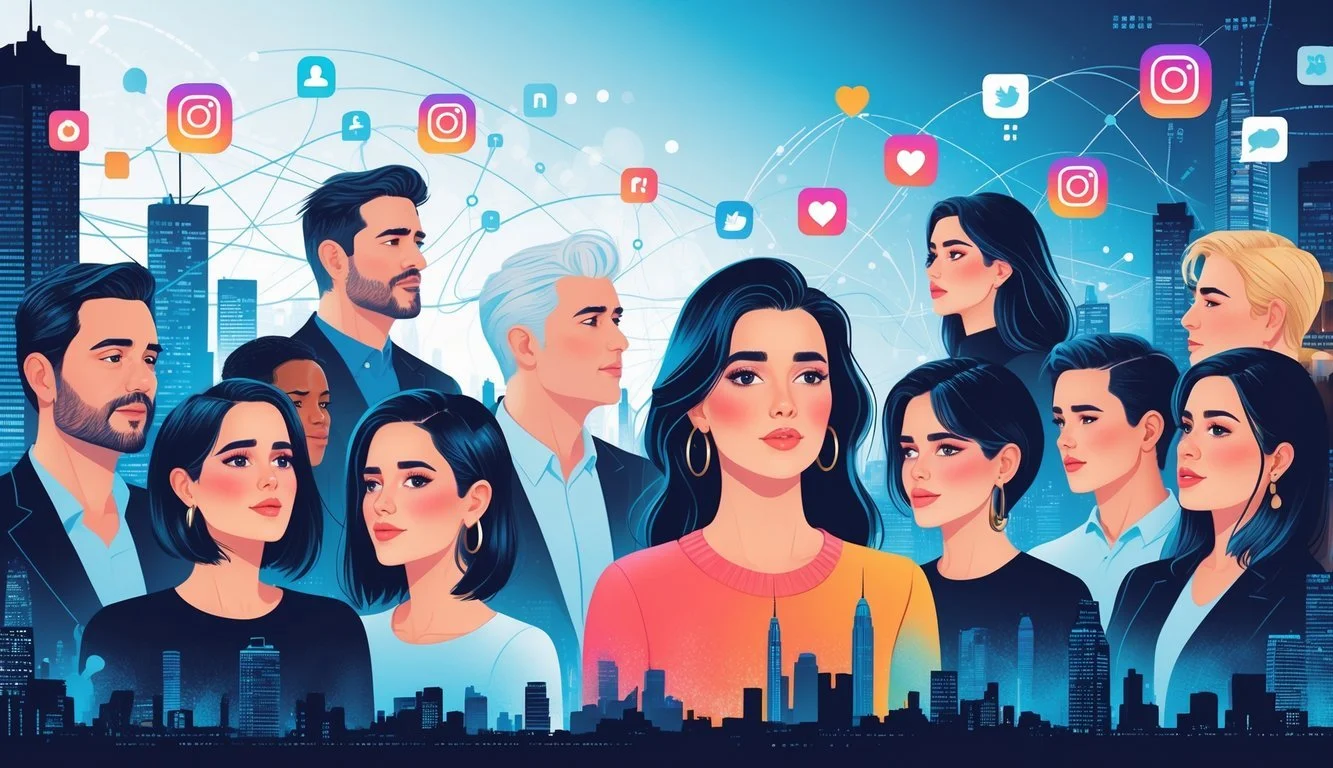
In today’s hyper-connected world, technology is redefining the very nature of fame. Social media platforms, AI-driven recommendation engines, and advanced analytics have transformed how celebrities build influence, engage with fans, and shape public discourse. What once relied on traditional media, studio marketing, and physical appearances now depends heavily on digital presence and algorithmic visibility. Celebrities are no longer just entertainers; they are brands powered by data, where likes, shares, and engagement metrics determine both reach and relevance. Beyond personal fame, this digital ecosystem affects politics, social issues, and global trends. High-profile figures can now influence public opinion, advocate for policy changes, and mobilize international audiences with unprecedented speed and precision. However, this shift also raises concerns regarding data privacy, algorithmic manipulation, and the ethical implications of blending entertainment with societal influence. The rise of digital fame reflects a broader convergence of technology, culture, and politics that is reshaping the global media landscape.
Algorithms and the Mechanics of Fame
Algorithms are the backbone of digital influence, determining which content reaches audiences and how celebrity messages spread. Platforms like Instagram, YouTube, and TikTok rely on AI to prioritize content based on user engagement, watch time, and personalized preferences. This system rewards highly shareable or emotionally resonant content, often amplifying celebrity messaging far beyond traditional marketing reach. By understanding these algorithms, celebrities and their teams can strategically craft content to maximize visibility, ensuring that their voices remain central in digital discourse.
While algorithms democratize visibility in some ways, they also introduce significant challenges. The same AI systems that amplify influence can create echo chambers, reinforce biases, and promote sensationalism over substance. For celebrities involved in political advocacy or social campaigns, the reliance on algorithm-driven platforms raises questions about the authenticity of engagement and the potential manipulation of public opinion. This tension between reach and responsibility underscores the ethical complexities of digital fame in the modern era.
Celebrity Influence in Political and Social Movements
High-profile figures have increasingly leveraged their digital platforms to engage in political and social issues. Celebrities now advocate for climate action, social justice, human rights, and government policy changes directly to millions of followers, bypassing traditional political institutions. For instance, campaigns for climate change awareness or voter mobilization have successfully used celebrity voices to attract global attention, mobilize resources, and shape public sentiment.
However, this influence comes with responsibility. Critics argue that celebrity activism online may oversimplify complex issues or prioritize optics over meaningful impact. Political leaders and institutions sometimes embrace this digital influence to support campaigns or policy initiatives, while others remain wary of its power to sway opinion without expertise. The interplay between celebrity digital reach and political outcomes illustrates how technology has blurred the lines between entertainment, advocacy, and governance.
Global Tech Ecosystem and Celebrity Branding
The rise of digital fame is intertwined with the global technology ecosystem. Social media platforms, streaming services, and analytics companies have created a multibillion-dollar infrastructure that drives visibility, monetization, and brand partnerships. International audiences now consume celebrity content across borders, languages, and platforms, creating a global network of influence. Data analytics tools enable precise tracking of engagement, sentiment, and audience demographics, allowing celebrities to tailor campaigns for maximum impact.
This globalized ecosystem also shapes cultural trends and political narratives. Celebrity endorsements can sway opinions on international issues, attract attention to humanitarian crises, and even affect market dynamics in entertainment, fashion, or consumer technology sectors. As the boundaries between technology and culture continue to blur, celebrities are increasingly both cultural icons and data-driven influencers, navigating a complex interplay of audience behavior, algorithmic priorities, and societal impact.
Ethical Implications of Digital Influence
With great reach comes significant responsibility. The use of technology to amplify celebrity influence raises critical ethical questions. How much sway should public figures hold over political discourse or social policy? Are algorithms manipulating audiences in ways that erode informed decision-making? The potential for misinformation, performative activism, and algorithm-driven bias requires careful scrutiny by platforms, celebrities, and society alike.
Furthermore, the digital fame ecosystem impacts mental health, public perception, and civic engagement. Fans may internalize celebrity opinions as authoritative, while algorithmic curation reinforces selective exposure to ideas. The ethical challenge lies in balancing influence with accountability, ensuring that the intersection of celebrity, technology, and politics serves societal benefit rather than exploitation or manipulation.
FAQs
How do algorithms shape celebrity influence?
Algorithms prioritize content based on engagement metrics, amplifying posts that are likely to resonate with audiences. This determines which celebrity messages reach millions and how rapidly they spread.
Can celebrities affect political outcomes through digital platforms?
Yes, celebrities can mobilize public opinion, advocate for policies, and participate in social movements, leveraging their digital reach to influence civic engagement and public discourse.
What are the ethical risks of algorithm-driven fame?
Risks include misinformation, performative activism, manipulation of public opinion, and reinforcement of biases within algorithmic content delivery.
How does global technology impact celebrity branding?
International platforms and analytics tools allow celebrities to reach audiences worldwide, track engagement, and tailor campaigns for maximum influence across cultural and geographic boundaries.
Is digital fame sustainable for advocacy?
Digital fame can amplify awareness and engagement, but sustained impact requires collaboration with experts, organizations, and policy institutions to ensure meaningful change.
Conclusion
The age of algorithms has fundamentally transformed the concept of fame, giving celebrities unprecedented power to shape culture, politics, and global trends. Technology-driven visibility allows public figures to reach audiences instantaneously, advocate for causes, and influence political discourse on a scale unimaginable in traditional media. Yet with this power comes responsibility, raising ethical questions about the accuracy, intent, and impact of celebrity influence.
Looking ahead, the convergence of technology, celebrity, and politics will continue to evolve, necessitating thoughtful engagement from platforms, audiences, and public figures. Ensuring that digital fame contributes positively to society requires transparency, ethical consideration, and collaboration with experts to transform visibility into meaningful, sustainable impact on global issues.
