

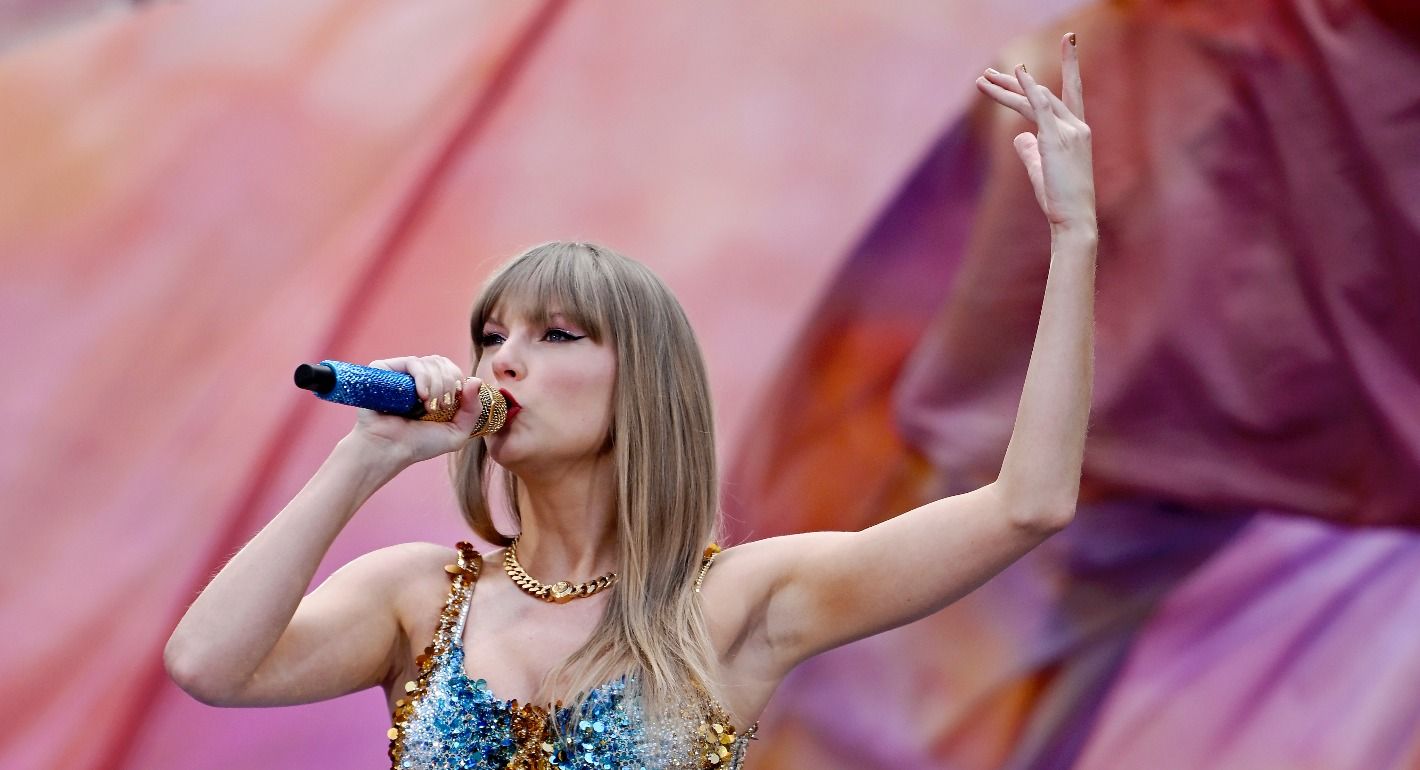
Celebrities have long been cultural influencers, but in recent years their role has expanded into the realm of global politics. With social media amplifying their voices, public figures are increasingly taking stances on issues such as climate change, international conflicts, human rights, and government policies. This phenomenon has created a new dynamic where entertainment and political discourse intersect, shaping public opinion on a worldwide scale. Beyond posting messages online, celebrities participate in advocacy campaigns, fund humanitarian projects, and even meet with global leaders to push for policy change. The blending of fame, influence, and political activism has sparked debate over the legitimacy of celebrity involvement in complex global issues. While some argue their reach can raise awareness and drive meaningful action, others warn of oversimplification and the potential for performative activism.
The Power of Social Media in Celebrity Activism
Social media platforms have transformed the way celebrities engage with global issues. Platforms like Instagram, Twitter, and TikTok allow them to reach millions instantly, bypassing traditional media channels. Public figures now play a pivotal role in mobilizing public opinion, encouraging participation in campaigns, and bringing attention to underreported crises. This influence is particularly evident in environmental activism, where celebrity campaigns have helped pressure governments and corporations to adopt sustainable policies.
However, the power of social media can be a double-edged sword. The immediacy of digital platforms sometimes promotes emotional reactions over nuanced understanding. Critics argue that celebrity-led campaigns may oversimplify complex global problems, reducing them to viral moments rather than sustainable change. Despite these challenges, the ability of celebrities to shape discourse and draw attention to political and humanitarian issues cannot be understated.
Global Diplomacy Meets the Red Carpet
In an increasingly interconnected world, celebrity activism has extended beyond social media to the corridors of international diplomacy. Figures such as Angelina Jolie, Emma Watson, and Leonardo DiCaprio have participated in United Nations initiatives and met with political leaders to advocate for refugees, gender equality, and climate action. Their involvement highlights a convergence of soft power and celebrity influence, where fame becomes a tool to amplify global policy agendas.
The collaboration between celebrities and political institutions has been both celebrated and critiqued. Proponents argue that it increases visibility for urgent causes and encourages public engagement in global affairs. Critics, however, caution that celebrity involvement may overshadow professional expertise or reduce complex geopolitical issues to headline-driven narratives. Nevertheless, this intersection of entertainment and diplomacy continues to reshape the global political landscape.
Political Responses to Celebrity Advocacy
Governments and political institutions have taken note of celebrity influence on public opinion. In some cases, political leaders align themselves with prominent figures to bolster campaigns, advance international initiatives, or signal support for social movements. For example, climate summits and humanitarian events often feature celebrity endorsements, which can lend credibility and attract media attention.
At the same time, some political actors express concern over the unregulated power of celebrities to sway public sentiment. The debate touches on questions of accountability, expertise, and democratic representation. While celebrity activism has the potential to inspire civic engagement, it also raises challenges for governance when influential figures shape narratives without the constraints of policy expertise.
The Global Impact of Entertainment-Driven Awareness
Celebrity activism has tangible global effects, from increased humanitarian donations to legislative changes influenced by public pressure. Campaigns against child labor, gender inequality, and climate inaction have benefited from high-profile advocacy, drawing attention from citizens and international organizations alike. The international reach of celebrities ensures that these issues transcend borders, creating a sense of global responsibility among audiences.
Nevertheless, the sustainability of such movements depends on continued engagement and coordination with experts, NGOs, and governments. The ability of celebrity activism to generate awareness is significant, but long-term impact requires careful strategy, policy support, and grassroots participation. This balance between visibility and substantive change remains a key challenge for entertainment-driven advocacy.
FAQs
How do celebrities influence global politics?
Celebrities influence global politics by raising awareness, shaping public opinion, and advocating for policy changes through social media, public appearances, and participation in international initiatives.
Are celebrity campaigns effective?
Celebrity campaigns can be effective in generating visibility and mobilizing resources, but long-term impact depends on coordination with experts and sustained advocacy efforts.
Do governments welcome celebrity activism?
Many governments welcome celebrity involvement to amplify initiatives, but some political actors are cautious about the unregulated influence of public figures on sensitive issues.
What are the risks of celebrity-driven political advocacy?
Risks include oversimplification of complex issues, performative activism, and the potential to overshadow expert opinions or policy nuances.
Can entertainment-led campaigns lead to policy change?
Yes, in some cases celebrity advocacy contributes to policy change by generating public pressure, attracting media attention, and supporting legislative initiatives through international collaboration.
Conclusion
Celebrity activism is redefining the boundaries between entertainment, politics, and global affairs. By leveraging their reach and public influence, celebrities have become powerful agents of awareness, capable of shaping discourse on international issues. While their involvement can mobilize support and generate tangible results, it also raises questions about expertise, accountability, and the simplification of complex global challenges.
Looking forward, the intersection of celebrity and global politics will likely continue to evolve, necessitating collaboration with policy experts, NGOs, and governments to ensure that advocacy translates into meaningful, sustainable change. Recognizing both the potential and limitations of celebrity influence will be crucial in harnessing this phenomenon for the benefit of global society.
